Checking out the Duty of Shop Solutions beforehand Modern Engineering Solutions
Factory solutions are crucial in shaping modern-day engineering remedies - Aluminum Foundry. They connect the space in between conventional manufacturing methods and the demands of modern industries. With advancements in automation and sustainability, factories are advancing to meet the needs of fields such as aerospace and automotive. This change questions regarding the ramifications for products, processes, and future technologies. What difficulties and opportunities exist in advance for foundry solutions in this quickly transforming landscape?
The Development of Shop Providers in Design

The integration of computer-aided design (CAD) and simulation software program has reinvented the layout and production processes, enabling factories to produce intricate geometries with higher accuracy. In addition, the shift in the direction of green practices has actually resulted in the adoption of greener technologies and reusing initiatives within foundries. As industries progressively prioritize personalization and fast prototyping, foundry services have expanded their abilities, guaranteeing they stay vital contributors to the design landscape. This advancement emphasizes the foundry's vital role in supporting advancements across different markets, including automobile, aerospace, and energy.
Trick Procedures and Methods in Modern Foundries
Modern shops use a variety of crucial processes and methods that improve the performance and top quality of metal casting. Among these, sand spreading remains common because of its convenience and cost-effectiveness. Using sophisticated modern technologies, such as computer-aided layout (CAD) and computer-aided production (CAM), permits exact modeling and production, guaranteeing high accuracy in part measurements. Furthermore, investment casting is preferred for generating complex geometries with superb surface area finishes.
Automation and robotics improve manufacturing rate and consistency while reducing labor prices. Methods like additive production are significantly incorporated to produce elaborate mold and mildews and cores, consequently lessening material waste. The application of thermal evaluation help in maximizing casting procedures by anticipating and managing solidification actions. Jointly, these strategies and processes exhibit just how modern shops are adjusting to meet the needs of contemporary engineering challenges, ensuring remarkable item high quality and operational effectiveness.
The Importance of Materials Selection in Factory Services
Picking the appropriate materials is vital in shop solutions, as it straight influences the mechanical residential or commercial properties, durability, and total efficiency of the last item. Different products have special features, such as tensile strength, rust resistance, and thermal security, which have to straighten with the designated application of the actors components. Metals like aluminum and steel are usually selected for their strength-to-weight ratio, while alloys can enhance certain efficiency traits.
The option process involves taking into consideration aspects such as expense, manufacturability, and accessibility, which can especially affect job timelines and budget plans. In addition, advancements in material science allow the advancement of ingenious compounds and specialized alloys that deal with arising engineering difficulties. Subsequently, a comprehensive understanding of product residential or commercial properties and their implications is crucial for engineers and factory specialists to accomplish effective end results in their tasks. This careful selection procedure ultimately boosts the dependability and efficiency of completion products.
Foundry Providers in Aerospace and Automotive Applications
Factory services play an essential function in the aerospace and vehicle sectors, where precision and performance are vital. These markets count greatly on the production of facility parts that must meet extensive high quality requirements and hold up against severe conditions. Shops provide essential services such as spreading, machining, and finishing, guaranteeing parts are light-weight yet durable, necessary for enhancing fuel effectiveness and security.
In aerospace, factory services add to the production of generator blades, engine elements, and architectural components, all her comment is here of which demand complex designs and high-performance products. In a similar way, in the automotive sector, shops provide engine blocks, chassis components, and transmission cases, focusing on sturdiness and weight decrease.
Advanced factory techniques, including additive manufacturing and accuracy spreading, are progressively used to satisfy the specific needs of these markets. By supplying customized solutions, shop solutions aid drive innovation and keep competitive benefits in the fast-evolving aerospace and auto landscapes.
Developments Driven by Foundry Capabilities
Various technologies in design are sustained by the advanced capabilities of factory solutions. These solutions allow the production of complex geometries and high-performance products that are crucial for contemporary applications. For instance, additive manufacturing, generally referred to as 3D printing, has actually seen substantial innovations with foundry methods, allowing for the quick prototyping of complex layouts. Furthermore, the capability to cast light-weight alloys has revolutionized industries such as aerospace and auto, causing boosted fuel performance and efficiency.
Foundries are significantly integrating smart innovations, such as automation and information analytics, to improve manufacturing efficiency and high quality control. These technologies not just decrease waste however likewise make it possible for modification at scale, fulfilling the particular needs of customers. By leveraging advanced shop abilities, designers can check out brand-new frontiers in product style and functionality, inevitably driving progress throughout different sectors and establishing a structure for future advancements.
Future Patterns in Factory Solutions and Engineering Solutions
The future of factory solutions is shaped by arising patterns such as sustainable production techniques, which prioritize environmental duty. Automation and smart modern technologies are readied to enhance efficiency and precision, while increasing customization and adaptability will certainly satisfy the developing needs of clients. As these patterns progress, they will certainly redefine the landscape of design services in the foundry market.
Lasting Manufacturing Practices
As industries increasingly focus on ecological duty, sustainable manufacturing techniques within foundry services are ending up being vital to contemporary design solutions. These techniques concentrate on reducing waste, reducing energy consumption, and making use of green materials throughout the production process. By carrying out methods such as recycling scrap steel and optimizing melting procedures, foundries can notably decrease their carbon impact. Furthermore, the adoption of life cycle assessments permits suppliers to examine the ecological effect of their items from inception to disposal. Collaborating with vendors committed to sustainability further improves the efficiency of these efforts. look at this website Eventually, accepting sustainable production not only aligns with global ecological goals yet additionally cultivates advancement and competition in the swiftly advancing design landscape.
Automation and Smart Technologies
While several industries are welcoming technical improvements, factory solutions are experiencing a significant transformation with automation and smart technologies. The integration of robotics and automated systems improves production effectiveness, reduces human mistake, and speeds up the production procedure. Smart technologies, such as IoT and AI, make it possible for real-time surveillance and anticipating maintenance, which optimize operational efficiency and reduce downtime. These developments help with data-driven decision-making, permitting factories to react quickly to market needs and boost product high quality. In addition, automation reduces labor prices and enhances work environment safety and security by handling hazardous tasks. As factory services proceed to adopt these developments, they are poised to redefine engineering options, leading to increased competition and sustainability in the production sector.
Personalization and Flexibility Fads
Arising fads in shop services increasingly highlight customization and versatility to fulfill one-of-a-kind client needs. This change reflects a broader need for customized engineering solutions that adjust to details task needs and market standards. Companies are buying advanced innovations, such as additive manufacturing and digital modeling, allowing them to generate customized elements efficiently and cost-effectively. Therefore, foundries are relocating away from one-size-fits-all techniques, providing clients the capacity to change designs and products in real-time. Additionally, collaboration in between design teams and factory services is ending up being more integrated, cultivating technology and speeding up time-to-market. This fad not just improves product performance but additionally supports sustainability by reducing waste with specific production procedures.
Often Asked Inquiries
What Are the Regular Prices Related To Foundry Services?
Normal expenses linked with factory services consist of material costs, labor charges, devices usage fees, and expenses prices - Aluminum Foundry. These expenditures can differ extensively based on task complexity, volume, and details demands of the design option included
How much time Does the Foundry Refine Normally Take?
The shop process usually takes anywhere from several weeks to a couple of months, relying on elements such as complexity, product requirements, and production volume, which can significantly influence timelines and total job distribution.
What Industries Advantage Many From Foundry Providers?
Industries such as automotive, aerospace, and building and construction benefit substantially from shop solutions. These fields rely on precision spreading and metal manufacture to develop intricate components, improving item efficiency and operational performance in their particular applications.
What Certifications Should Foundries Possess?
Factories should have qualifications find out such as ISO 9001 for quality administration, ISO 14001 for ecological monitoring, and specific market accreditations like AS9100 for aerospace or IATF 16949 for automobile, ensuring conformity and high quality assurance.
Just How Do Foundries Make Sure High Quality Control in Their Processes?
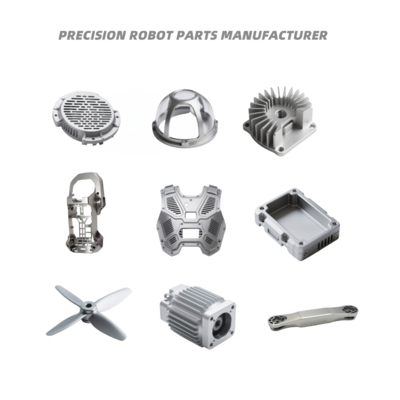
Factory services are important in shaping modern engineering remedies. As design disciplines have progressed, the function of foundry solutions has actually transformed considerably to fulfill evolving sector needs. As industries progressively prioritize modification and fast prototyping, shop services have actually increased their capabilities, guaranteeing they remain important contributors to the engineering landscape. As markets increasingly prioritize ecological responsibility, sustainable manufacturing methods within foundry services are coming to be essential to contemporary design remedies. Additionally, collaboration between design teams and shop services is ending up being a lot more integrated, promoting innovation and increasing time-to-market.
Comments on “Precision aluminum casting applications across engineering sectors”